Choosing the Right Pasta for Health: What Italians Get Right
Pasta has a reputation in America for being “unhealthy,” but when you look at how Italians eat it—slowly, simply, and traditionally—it becomes a completely different food.
Updated April 1, 2026
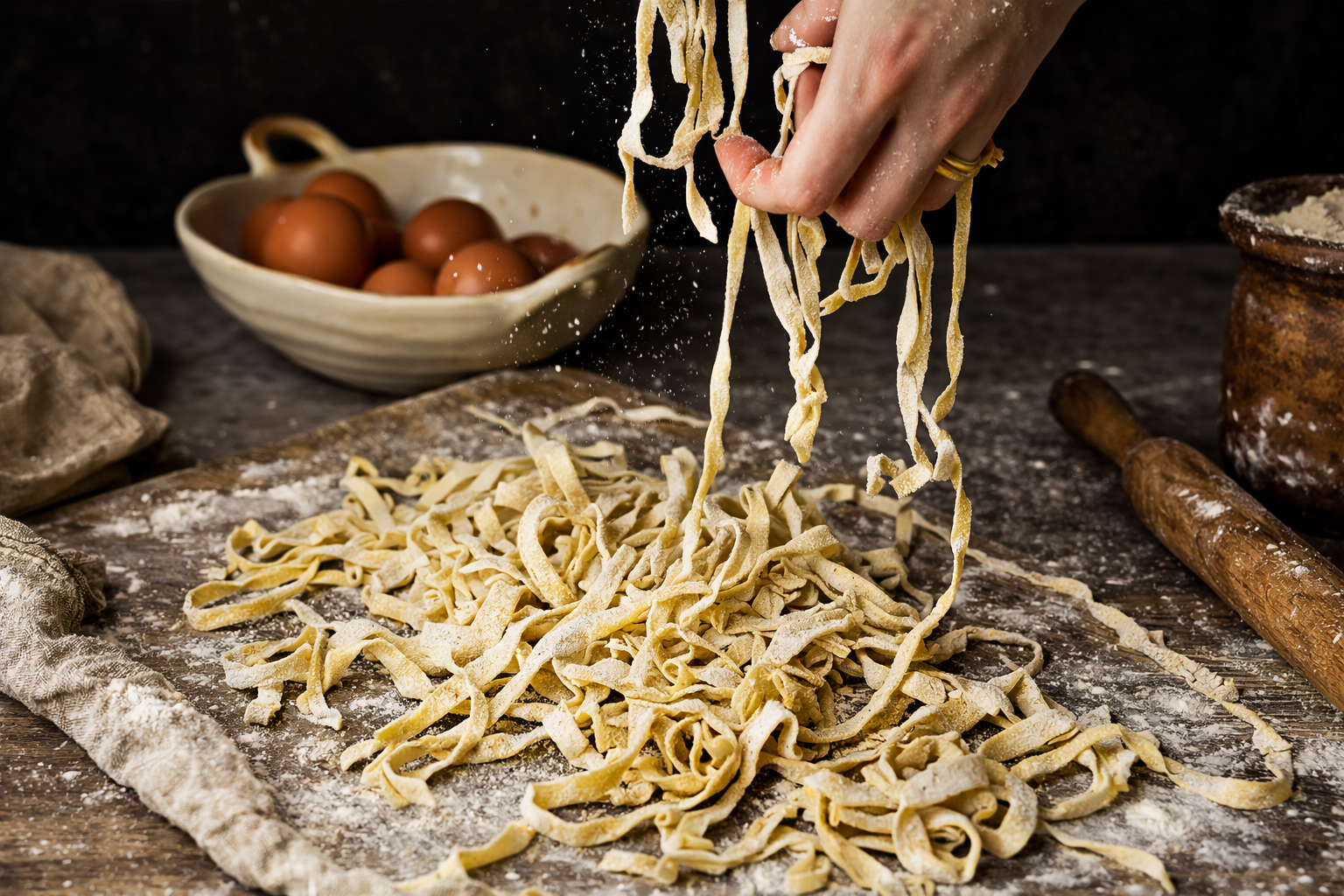
Pasta has a reputation in America for being “unhealthy,” but when you look at how Italians eat it—slowly, simply, and traditionally—it becomes a completely different food.
I remember watching Stanley Tucci’s show where he tours Italy, and one woman casually shared that she eats pasta every single day. She wasn’t saying it as a confession or a guilty pleasure. It was simply a normal part of her life. And what struck me was how slender and healthy she looked.
The type of pasta you buy, the way it’s made, and even how long you cook it can all change how your body responds to it.
If you’ve ever wondered why pasta feels lighter and easier on your stomach while traveling in Italy, there are real reasons behind it. Here’s how to choose pasta that supports your health and digestion, just like Italians have done for generations.
Why American Wheat Feels Harder to Digest
Many women notice they can enjoy pasta or bread on vacation without any issues, yet the same foods in America leave them bloated or uncomfortable. A major reason is the way our wheat is grown and processed. Most people don’t have a gluten issue, they have an “America wheat” issue.
Most American wheat is bred to produce extremely high yields rather than to preserve nutrition. This creates wheat that is lower in minerals and often higher in harder-to-digest proteins. Once harvested, it’s typically processed at very high temperatures, which can change the structure of the starches and make them more inflammatory for some people.
If you read the ingredient label on most store-bought pasta or bread, you’ll almost always see “enriched wheat flour.” This tells you the wheat was so over-processed that the natural vitamins and minerals were removed, and synthetic ones had to be added back in. Enriched flour is a sign of low-quality, nutrient-stripped wheat, and many people find it spikes blood sugar and causes digestive discomfort.
Non-organic wheat in the U.S. is also commonly treated with pesticides, including during harvest to help dry the crop faster. These residues can irritate the gut, disrupt digestion, and contribute to that heavy or bloated feeling.
All of these factors make American wheat a struggle for many people, even if they don’t technically have a gluten sensitivity.
Choose Italian Pasta (It Truly Makes a Difference)
Traditional Italian pasta is made with high-quality durum wheat grown in mineral-rich soil. It is also slow-dried at low temperatures. This helps preserve:
- The natural structure of the wheat
- More vitamins and minerals
- A steadier blood sugar response
Many American pastas, especially inexpensive ones, use wheat that is bred for yield rather than nutrition and then dried quickly at very high heat. This can make the pasta more inflammatory and harder to digest.
Italian brands worth trying:
- Rummo
- De Cecco
- Barilla (Italian-made)
- Garofalo
- Rustichella d’Abruzzo
I buy most of mine at Costco, which has a great organic Italian pasta section. Other time I buy bags at HomeGoods and Trader Joes.
Cooking Pasta Al Dente Is Actually Healthier
Al dente pasta is tender but still firm when you bite into it. This texture isn’t just a preference. It has real benefits for your blood sugar and digestion.
Al dente pasta:
- Breaks down more slowly in the body
- Helps prevent blood sugar spikes
- Keeps you full longer
- Reduces that heavy, sleepy feeling after eating
Overcooked pasta becomes too soft and breaks down too quickly during digestion. If you normally cook your pasta until it’s very soft, try pulling it off the heat one or two minutes early. You’ll taste a difference, and your body will feel it too.
Pair Pasta With Healthy Fats and Light Protein the Italian Way
In Italy, pasta is almost always prepared with high-quality olive oil, either as the base of the dish or blended into a simple sauce. It’s also commonly finished with Parmesan or Pecorino, both of which add natural protein and come from raw or minimally processed milk. Even very simple pasta dishes contain enough fat and flavor to be satisfying without needing large amounts of added meat.
Traditionally, pasta is served as the primi, or first course. After that comes the secondi, which is where meat or fish is eaten. This means Italians aren’t sitting down to giant bowls of pasta as their full dinner every night. Pasta is part of a balanced meal structure rather than the entire meal.
On occasions when pasta is the whole meal—especially at home for a quick lunch or dinner—it is still usually balanced in small ways. Dishes might include pancetta, guanciale, anchovies, clams, eggs, or simply a generous amount of cheese and olive oil. Portions are also much smaller than American servings, which helps the meal feel light and digestible.
This approach is why pasta feels so different in Italy. It’s not just what they eat but how they eat it: modest portions, good olive oil, real cheese, and a mealtime rhythm that naturally supports digestion.
Listen to Your Body
Pasta isn’t something to fear. When made well and eaten in a balanced way, it can be part of a healthy lifestyle. For many women, the issue isn’t the pasta itself but the quality and how it’s cooked.
You might find you digest certain options better than others:
- Italian durum wheat
- Organic American wheat
- Einkorn pasta
- Gluten-free pastas or legume-based ones if you actually do need to avoid gluten fully. For these, be sure to pick organic because non-organic have seen shown to have very high levels of pestisides
Choose what feels best for your body, not what diet culture tells you to avoid.
Final Thoughts
Eating pasta like an Italian looks simple, yet it makes all the difference. High-quality wheat. Proper cooking. Balanced portions. A slower pace.
Choose good pasta. Cook it al dente. Pair it with nourishing ingredients. Enjoy every bite.
Your body will respond beautifully.
In my guide, Effortlessly Thin, I walk through how to eat in a way that truly satisfies you—so your appetite regulates naturally and food stops feeling like something you have to manage all day.
Related Reading

Character
The Modern Pressures Women Were Never Meant to Carry
Women have never lived without pressure. Every era has asked something of them. Much of history was physically harder…
Character
The Lost Rhythms of Women’s Health
For generations, women’s health followed simple rhythms of nourishing food, daily movement, sunlight, and rest that…
History & Tradition
Raw Milk: Why It’s a True Superfood
Raw milk has been a part of traditional diets for centuries — long before food was reduced to macros, fortification…