How to Choose the Best Olive Oil (And Avoid the Fake Ones)
Most people assume olive oil is always healthy — but the truth is that much of what sits on grocery store shelves is old, blended, or low-quality. And because olive oil is such a foundational fat for cooking and hormone health, choosing a real one is one of the simplest, most powerful upgrades you can […]
Updated March 31, 2026
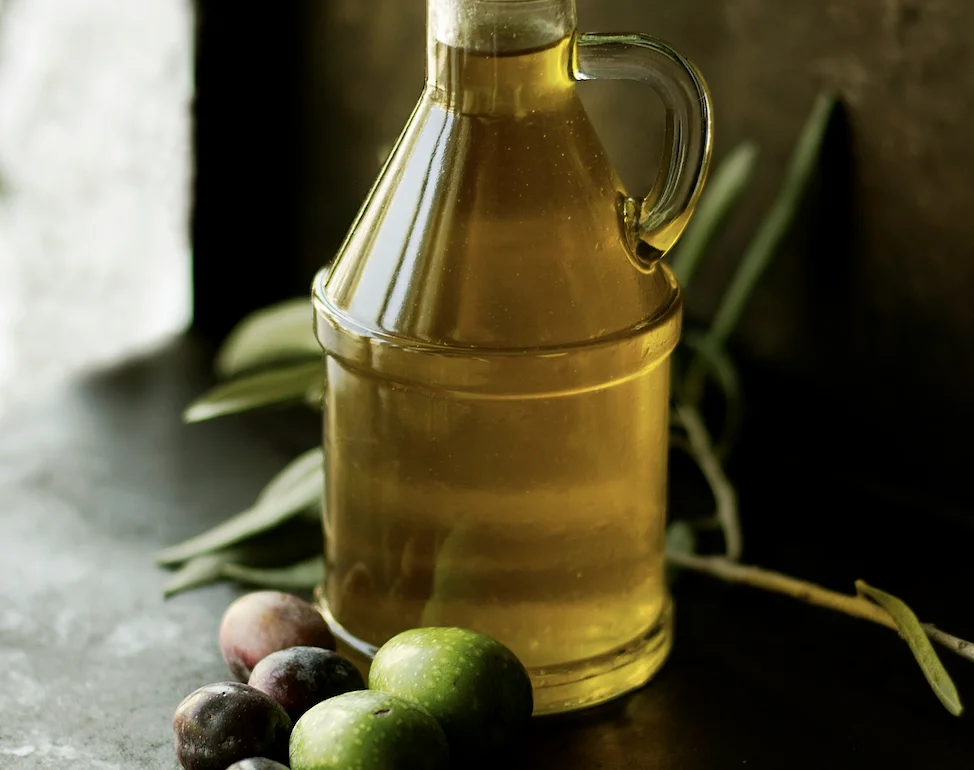
Most people assume olive oil is always healthy — but the truth is that much of what sits on grocery store shelves is old, blended, or low-quality.
And because olive oil is such a foundational fat for cooking and hormone health, choosing a real one is one of the simplest, most powerful upgrades you can make in your kitchen.
The good news?
Once you know what to look for, it becomes easy.
Why Quality Matters
Pure, fresh olive oil is rich in antioxidants, polyphenols, and anti-inflammatory compounds that support hormones, heart health, skin, and stable blood sugar.
But low-quality or blended oils:
- oxidize quickly
- taste flat or greasy
- lose most of their nutrients
- can increase inflammation
This is why choosing a real extra virgin olive oil matters so much.
What to Look for in a High-Quality Olive Oil
1. Single Origin
Most cheap grocery-store olive oils are blends from multiple countries — meaning the olives were harvested at different times, often years apart, and mixed to create a “uniform” taste.
Single-origin oils come from one region (sometimes even one single estate). This gives you:
- higher purity
- better flavor
- consistent quality
- transparency about where it came from
If the label lists three countries, it’s almost always lower quality.
2. Extra Virgin Matters More Than the Labeling
Extra virgin olive oil refers to the quality of the oil — not just how it’s made. It’s the highest grade, meaning the oil has a clean, fresh flavor and very low acidity, with no chemical refining.
You’ll often see terms like cold-pressed or cold-extracted, which simply describe the method used to make the oil without heat, helping preserve nutrients. This is important, but it’s not the whole picture.
Here’s the simple takeaway: all true extra virgin olive oil is cold-extracted, but not all cold-pressed oils are extra virgin. Extra virgin has much stricter standards for freshness, flavor, and purity — which is what makes it the top tier.
That’s why choosing extra virgin matters more than chasing phrases like “first cold-pressed,” which is largely redundant when the oil is genuinely high quality.
3. Harvest Date Listed
High-quality producers proudly share their harvest date — a clear sign of freshness and honesty. In countries like France and Italy, they know truely good olive oil is consumed quickly after the harvest, so good olive oil will have that date on it.
Avoid bottles with only an expiration date (this tells you nothing).
Freshness is everything with olive oil and a harvest date is your proof.
4. Dark Glass Bottle
Olive oil is incredibly sensitive to light and air, so clear bottles make no sense for olive oil.
Instead, look for dark green or amber class bottles. And try to keep the cap on and the oil out of the sun.
How to Store Olive Oil Properly
Most people store olive oil wrong. Here’s the simplest way to keep it fresh:
- Keep it in a cool, dark pantry
- Always close the cap tightly
- Use within 1–2 months after opening for best flavor and benefits
- Never store it in the refrigerator — it alters texture and taste
How to Tell If Your Olive Oil Is Good (Taste Test)
A high-quality olive oil should taste:
- bright
- grassy or fruity
- peppery in the back of the throat
- slightly bitter (a sign of antioxidants)
A bad or old oil tastes super neutral or rancid.
Real vs Fake Olive Oil (Quick Comparison)
| Real Extra Virgin Olive Oil | Low Quality or Fake |
|---|---|
| Single origin | Blend of multiple countries |
| First cold pressed | “Pure,” “light,” description |
| Harvest date listed | Only expiration date |
| Dark glass bottle | Clear or plastic bottle |
| Peppery, fresh taste | Flat, greasy, flavorless |
A Simple Summary
To choose a real extra virgin olive oil, look for single origin, first cold pressed, a recent harvest date, and a dark glass bottle.
Once you know these four markers, choosing good olive oil becomes effortless — and your cooking, hormones, and health will feel the difference.
You can sometimes find olive oils that fit this criteria at traditional grocery stores, but I seem to have good chances finding them at Home Goods and Fresh Market.
Related Reading
Character
The Lost Rhythms of Women’s Health
For generations, women’s health followed simple rhythms of nourishing food, daily movement, sunlight, and rest that…
Beauty
The Cleanest Makeup On the Market that I Love
I’ve tried so many “clean beauty” brands that look beautiful but truly aren’t that clean when you read the ingrediants.…