Rediscovering the Old-World Beauty Secrets Women Trusted for Generations
Throughout history, women cared for their bodies with remarkable simplicity. No chemical cocktails, no synthetic scents, no 12-step routines. Beauty was a quiet extension of daily life: tending the body the way you tend a home, with what you had on hand and what nature offered. Exploring ancient beauty rituals isn’t about trying to live […]
Updated March 31, 2026

Throughout history, women cared for their bodies with remarkable simplicity. No chemical cocktails, no synthetic scents, no 12-step routines. Beauty was a quiet extension of daily life: tending the body the way you tend a home, with what you had on hand and what nature offered.
Exploring ancient beauty rituals isn’t about trying to live like we’re in another era. It’s about remembering that the human body was designed to thrive with natural care—and much of what worked hundreds or thousands of years ago still works today.
Here are a few of my favorite ancient beauty practices, and how we can adapt them in a modern, non-overwhelming way.
1. Ancient Deodorant: Minerals, Oils & Plants
Before aluminum antiperspirants, women relied on things that supported—not suppressed—the body. The goal wasn’t to stop sweating, but to keep bacteria from producing odor
Egyptians
- Used natron (a natural mineral salt) mixed with oils
- Added cinnamon, citrus rinds, or myrrh for antibacterial benefits
Greeks & Romans
- Bathed often (sometimes multiple times a day)
- Applied olive oil as a protective, cleansing layer
- Used herbs like sage, mint, and rosemary crushed into pastes
What this teaches us
Odor usually comes from bacteria, not sweat. So we shouldn’t stop our body from sweating when it’s a way our body naturally detoxes. Natural deodorant works best when it:
- Reduces bacterial overgrowth
- Neutralizes odor with minerals
- Supports the microbiome rather than attacking it
Using simple deodorants like MagSol or an alum stone are wonderful low-toxin options. You can also apply essential oils (diluted) to your armpits after showering — and again throughout the day if needed to help keep bacteria at bay naturally.
2. Hair Care: Oils, Rinses & Minimal Washing
For most of history, women didn’t strip their hair daily with detergent-based shampoos. They used nourishing oils and herbal rinses that kept hair thick, shiny, and healthy.
Egyptians
- Massaged the scalp with castor oil, known for strengthening and regrowth
- Used fenugreek and henna to condition and add shine
Greeks
- Washed with rainwater (soft water with minerals = better hair)
- Coated hair with olive oil, then gently combed it through
Vikings & Medieval Europeans
- Used herbal rinses: rosemary, nettle, chamomile
- Washed infrequently but brushed often to distribute natural oils
What this teaches us
Your scalp thrives with:
- Oil massage for circulation
- Herbal rinses instead of harsh products
- Less frequent washing, more gentle brushing
A weekly castor oil + olive oil scalp treatment is easy to do and effective. I wrote more about hair care here.
3. Teeth Care: Powders, Oils & Simple Tools
Toothpaste is new. Oral care is not.
Ancient Egyptians
- Used tooth powders of ground eggshell, myrrh, and mint
- Myrrh was prized for its antibacterial and gum-strengthening properties
Greeks & Romans
- Cleaned teeth with charcoal and crushed bones
- Chewed mastic gum, which naturally whitens and strengthens enamel
Ayurvedic traditions (India)
- Practiced oil pulling with sesame oil for detoxification
- Used neem sticks as natural toothbrushes
What this teaches us
The basics haven’t changed:
- Teeth need abrasion, but gentle
- Gums thrive with antibacterial plants
- Oils protect the oral microbiome
Simple swaps today:
- A mineral-rich toothpaste or a powder toothpaste
- Occasional oil pulling
- Natural floss and salt water rinsing
4. Skin Care: Clays, Milks & Honey
Ancient skin care was simple, nourishing, and deeply intuitive. Women relied on ingredients that came straight from the earth — minerals, fats, herbs, and natural sugars — all of which supported the skin’s barrier instead of stripping it.
Egyptians
- Cleansed with milk and honey, a combination still unmatched for its softness
- Used kaolin clay to draw impurities from the skin
- Moisturized with almond and olive oils infused with herbs
Greeks & Romans
- Bathed in warm water mixed with oils, salts, and crushed flowers
- Exfoliated gently with fine salt or ground seeds
- Applied rosewater as a toner long before modern skincare existed
China & Japan
- Washed with rice water, known for calming and brightening
- Used camellia oil to moisturize and protect
- Believed in minimal, consistent routines rather than constant product switching
What this teaches us today
Ancient women focused on nourishment, not harsh treatments. Their rituals echo what truly works:
- Honey as a natural antibacterial cleanser
- Milk or goat milk powder for gentle exfoliation and hydration
- Clay masks for purification, once a week
- Oil-based moisturizers (olive oil, tallow, camellia) to strengthen the skin barrier
As we can see, these practices weren’t elaborate — they were rhythmic, grounding, and effective. And they remain some of the most biologically supportive ways to care for the skin today.
5. Sunlight: Nature’s Original Beauty Ritual
Long before supplements and complicated routines, women relied on the rhythm of the sun to support their health and beauty. Sunlight wasn’t something to fear but it was something to use wisely.
Ancient cultures naturally synced their days with light. Women stepped into the gentle morning sun to warm the body, awaken the senses, and stabilize hormones. The early light supported circadian rhythms, which in turn influenced skin clarity, sleep quality, metabolism, and overall vitality.
They weren’t sunbathing; they were aligning with nature. By midday, when the sun grew harsh, women covered their skin with:
- veils
- hats
- lightweight linen
- or simply stayed in shaded courtyards
The goal wasn’t avoidance but balance.
What this teaches us today
A modern, grounded approach looks like:
- 10–20 minutes of early sunlight each morning to support hormones and energy
- Letting natural light set your circadian rhythm (the foundation of healthy skin)
- Seeking shade during peak hours instead of relying only on products
Sunlight is not just a beauty ritual — it’s a daily nourishment. And when used intentionally, it becomes one of the simplest ways to support a calm, radiant, naturally balanced body.
6. Scent & Personal Care: Nature Over Synthetics
Perfume historically came from:
- Resins (frankincense, myrrh)
- Flowers (rose, jasmine)
- Citrus rinds
- Herbs
Nothing synthetic. Nothing endocrine-disrupting. I have a blog on avoiding fragrance here.
Ancient wisdom reminds us that you can smell beautiful—light, clean, feminine—without coating yourself in synthetic fragrance.
What this teaches us today
You don’t need to abandon scent — you just need to choose natural, simple sources that support your health instead of burdening it.
Practical swaps:
- Use essential oils diluted in jojoba or sweet almond oil in place of synthetic perfume
- Try natural resins like myrrh or frankincense on pulse points for an earthy sweet scent
- Use herbal hair rinses (like rosemary or chamomile) that leave a soft, natural fragrance
- Keep a small bottle of citrus or floral hydrosol in your bag for a freshening mist
- Use a super clean perfume such as Ffern that uses ancient methods to create their products
These kinds of scents don’t overpower; they whisper a subtle beautiful scent. They become part of you instead of something simply sprayed on top.
If You Want a Simple Routine Inspired by History
Here’s a modern, doable version:
Daily
- Getting a little big of sun every morning
- Gentle oil or milk-based cleanser
- Olive or tallow-based moisturizer
Weekly
- Castor oil scalp massage
- Clay mask
- Herbal hair rinse with water and rosemary
Related Reading
Beauty
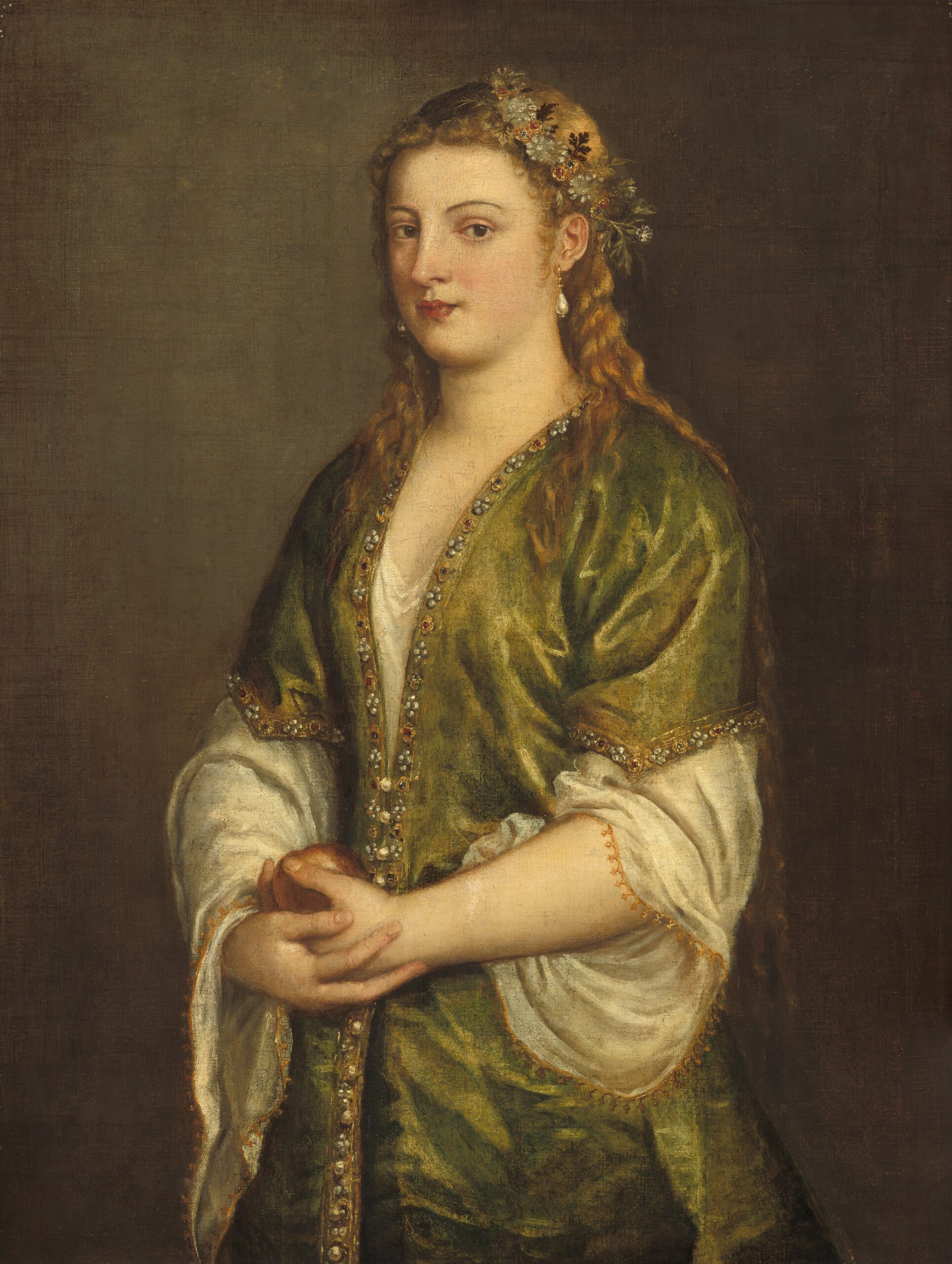
The Quiet Power of Beauty: Why Beauty Deeply Matters
Beauty quietly shapes the world around us. A woman’s presence, care, and elegance influence the atmosphere of homes,…
Beauty
The Cleanest Makeup On the Market that I Love
I’ve tried so many “clean beauty” brands that look beautiful but truly aren’t that clean when you read the ingrediants.…