Why Women Shape Culture More Than They Realize
Long before culture appears in politics or media, it is formed in homes through the habits, standards, beauty, and atmosphere women quietly create.
Updated June 8, 2026
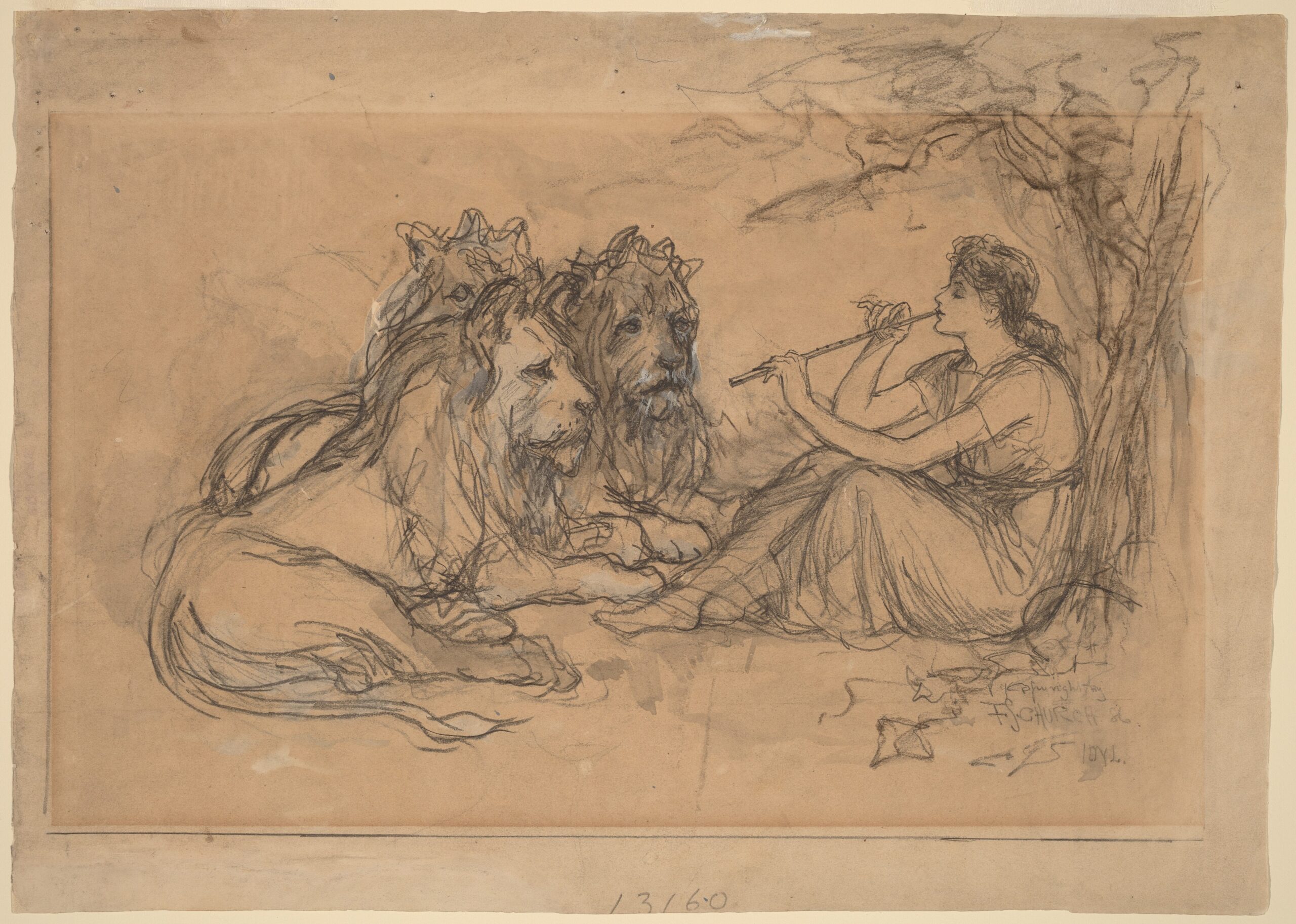
When people think about culture, they often think about politics, media, universities, celebrities, and public institutions.
Yet culture is not created by institutions.
Culture is created by what people value It is shaped by what a society finds beautiful, admirable, worth pursuing, worth worshipping and worth passing on to the next generation.
In that sense, women have always played a far greater role in shaping culture than they are often given credit for.
Women help shape the next generation through motherhood. They influence one another through the standards they uphold. They influence men through the expectations they set and the behaviors they reward.
Much of this influence is quiet. It rarely appears in history books or political debates. Yet it helps determine the character of a society just as surely as laws and institutions do.
Women shape culture more than they realize.
Women Shape the Next Generation
Every generation is formed by the generation that came before it.
Long before they are old enough to evaluate ideas for themselves, children are learning what is normal, what is beautiful, what is worth pursuing, and how life ought to be lived all while being at home. They are absorbing assumptions about marriage, family, work, faith, relationships, and even what it means to be a man or a woman.
Women play a central role in these things.
A woman often determine what enters the home and what does not. They help shape the rhythms of family life, the values children are taught to admire, and the vision of adulthood children grow up aspiring toward.
Long before a child encounters the wider culture, they have already been shaped by the culture of their home.
Women Set the Tone for Womanhood
Women also influence culture through the standards they set for one another.
Every generation of women quietly decides what is admirable, desirable, and worthy of imitation. We influence one another through the books we read, the entertainment we consume, the way we dress, and the lifestyles we celebrate.
When women value depth, beauty, wisdom, and character, those qualities tend to spread. When women celebrate superficiality, constant consumption, and trivial pursuits, those things spread as well.
Culture is shaped by what people admire.
And women often play a significant role in deciding what is admired.
The question is not whether women influence culture. The question is what kind of culture we are creating.
Women Influence Men More Than They Realize
Men and women constantly influence one another.
Have you ever noticed how differently many men behave around a woman who carries herself with dignity, elegance, and self-respect? There is often a subtle shift. Men tend to rise—or fall—to the standards present around them.
Throughout history, women have helped shape male behavior not through authority, but through expectations.
The things women reward, admire, encourage, and tolerate communicate powerful messages. Women quietly influence what men view as acceptable, desirable, and honorable.
This influence is rarely discussed in modern conversations about culture, yet it remains deeply human and remarkably persistent.
Conclusion
Women possess far more cultural influence than most realize.
Not because they are the loudest voices in society, but because they shape the environments where culture begins.
They shape the next generation through the homes they create and the children they raise. They shape other women through the standards they celebrate. They shape men through the expectations they uphold.
Culture is not built only through institutions.
It is built through everyday life.
And women have always played a central role in deciding what that everyday life looks like.
Related Reading
Culture
Homemaking is Worth Preparing For
Most women will become mothers. Despite what modern culture often suggests, many women still hope for marriage,…
Character
Homemaking is The Profession Modern Society Forgot
There is something strange about the way we prepare young women for adulthood. If a girl dreams of becoming a doctor,…
Character
The Modern Pressures Women Were Never Meant to Carry
Women have never lived without pressure. Every era has asked something of them. Much of history was physically harder…