
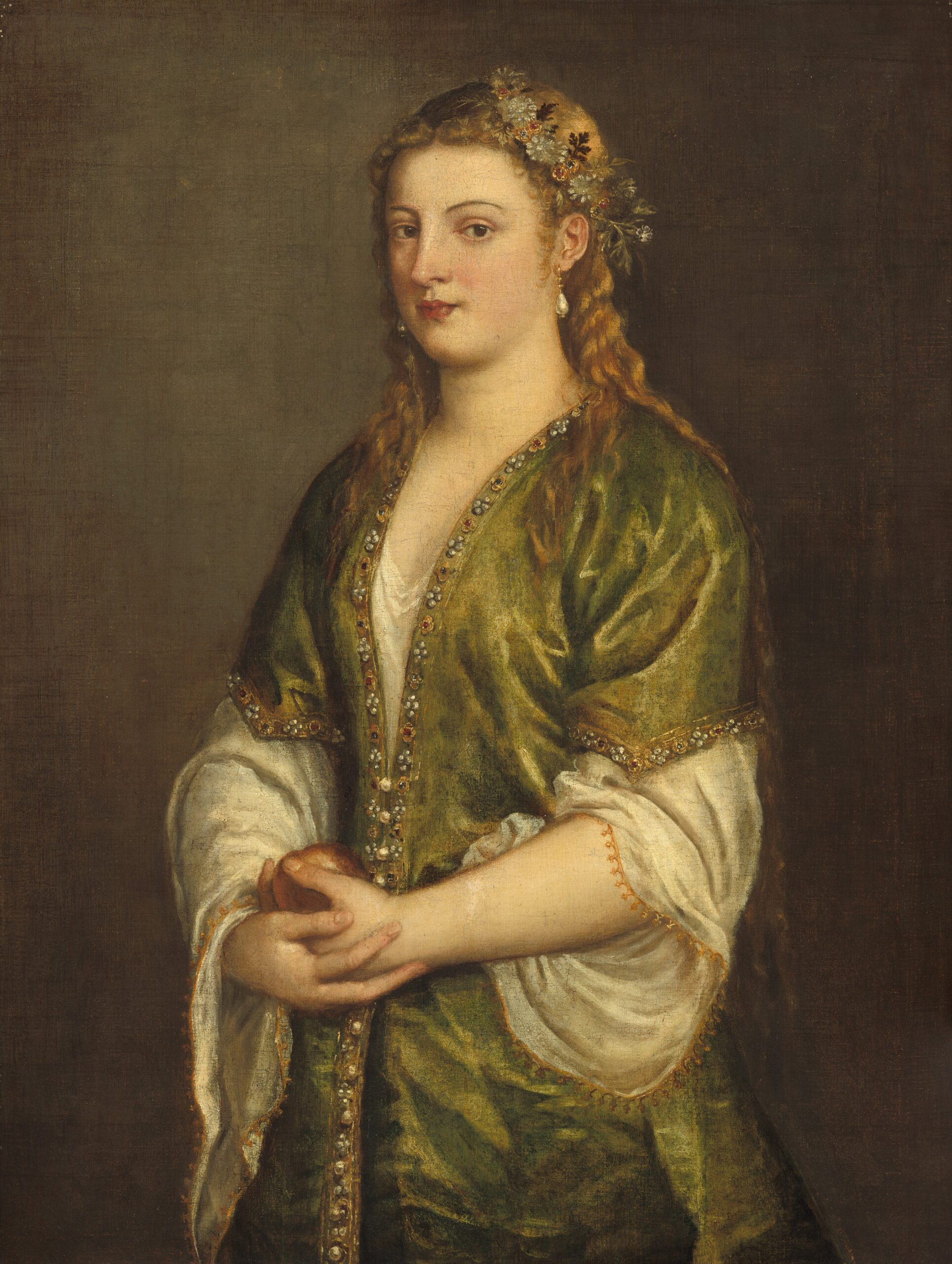
For most of history, beauty was not treated as frivolous.
Women brushed their hair, cared for their skin, chose clothing thoughtfully, and carried themselves with grace. Not because they were obsessed with themselves, but because beauty was understood to have a quiet effect on the world around them. A well-kept woman brightened a room. Her presence brought a sense of order, warmth, and grace to everyday life.
Today, beauty has become strangely confusing. On one side, women are encouraged to constantly improve, perfect, and optimize themselves through endless products, procedures, and trends. On the other, women are told that caring about beauty at all is shallow, vain, or oppressive. Between these two extremes, many women have lost a healthy understanding of what beauty is for.
Yet for most of history, beauty occupied a far more balanced place in life. It was neither an obsession nor an afterthought. It was simply part of living well.
Beauty Shapes the Atmosphere Around Us
We often think of beauty as something deeply personal, but beauty rarely remains personal for long. It shapes the atmosphere around us.
We understand this instinctively when it comes to our homes. A beautiful room feels different than a neglected one. Fresh flowers on a table, a well-loved armchair by the window, candlelight at supper, or clean linen curtains stirring in the breeze all contribute something intangible to a space. They create an environment that feels warm, inviting, and cared for.
The same is true of people.
A woman who is dressed with care in lovely attire, whose hair is brushed, and whose presence is composed contributes something to the environment around her. She brings a sense of intentionality to ordinary life. Beauty softens spaces. It elevates everyday moments. It reminds us that life is meant to be lived, not merely something to get through.
Whether we realize it or not, the things we surround ourselves with shape our experience of the world. Beauty has always been one of those things.
The Casualization of Everyday Life
Contrast that with the culture of perpetual casualness that surrounds us today. Athletic wear has become everyday wear. Hair is often hurriedly tied back. Clothing is chosen for convenience above all else. There is little difference for women of their slouchy-at-home look vs their every day look.
The result is not merely a change in fashion, but a change in atmosphere.
When nearly every environment becomes casual, something is lost. There is less distinction between occasions, less beauty woven into ordinary life, and fewer reminders that everyday moments matter. A restaurant filled with thoughtfully dressed people feels different than one where everyone appears as though they stopped in on the way home from the gym. A gathering where guests have taken care in their appearance carries a different feeling than one where presentation is treated as irrelevant.
This is not an argument for rigid dress codes or unnecessary formality. Nor is it a call for women to spend hours preparing themselves each day. Rather, it is a recognition that beauty influences the environments we create. The way we present ourselves affects the atmosphere of our homes, our communities, and even our most ordinary interactions.
For generations, women understood this instinctively. Even in modest circumstances, there was often an effort to remain presentable. Hair was brushed before the day began. Clothing was chosen with care. Aprons protected dresses so they could remain neat throughout the day. Beauty was not reserved for special occasions; it was woven into everyday life.
Beauty as Hospitality
One of the most overlooked aspects of beauty is that it can be a form of hospitality.
We often think of hospitality as something that happens within the home. We prepare meals for guests, arrange flowers on the table, light candles, and tidy the rooms people will enter. These small acts communicate care. They tell others, “You matter. I am glad you are here.”
Caring for our appearance can communicate something similar.
We do not prepare ourselves only for our own reflection in the mirror. We present ourselves to the people we live with, work alongside, worship beside, and encounter throughout the course of our lives. Taking time to brush our hair, choose clothing thoughtfully, or carry ourselves with dignity communicates something subtle but meaningful.
Not because we are trying to impress anyone, but because we recognize that our presence affects the people around us.
In this sense, beauty becomes less about drawing attention to ourselves and more about contributing something pleasant to the world we share with others. It is a small but meaningful way of bringing warmth, consideration, and grace into everyday life.
Growing up, everyday my mom got ready. I loved seeing her beautiful and put together. I loved that she made herself lovely to look at without spending too much time or effort on her looks. It was just enough where she looked ready for the day and not ready to do yard work or go to the gym.
Getting dresses and putting intention on your appearance tells the person you are doing life with that they are worth getting ready for.
Beauty Does Not Require Perfection
One of the great misconceptions of modern beauty culture is the belief that beauty requires perfection.
But beauty has rarely meant flawlessness. Some of the most memorable women throughout history were not known for perfect features. They were remembered for their presence, their warmth, their confidence, and the way they carried themselves.
A woman does not need endless products, expensive treatments, or a constantly changing appearance to be beautiful. More often, beauty is found in simple things: healthy hair, clothing that suits her well, good posture, a warm expression, and a sense of ease within herself. Timeless beauty has always been less about transformation and more about refinement. It is the gradual process of learning what suits you and cultivating it with care.
There is something refreshing about a woman who knows herself. She understands the colors that flatter her, the clothing that suits her shape, and the routines that help her feel her best. Rather than constantly reinventing herself, she cultivates a style that feels natural and enduring.
A Return to Balance
Modern beauty culture often pushes women toward extremes—either relentless perfection or complete indifference. Yet there is a gentler path between the two.
A path where beauty is quiet, thoughtful, and integrated into daily life.
It may be as simple as choosing clothing with intention that you don’t also wear to the gym, throwing on some light make up, or doing your hair. Small acts, perhaps, but over time they shape both the way we feel and the atmosphere we create around us.
Beauty cannot solve life’s deepest problems. It cannot guarantee happiness, success, or fulfillment. But it can bring elevate an ordinary day. It can remind us that life was never meant to be merely functional.
In a culture that often swings between vanity and indifference, perhaps the answer is neither. Perhaps beauty is simply one more way we practice care—care for ourselves, care for our homes, and care for the people we share our lives with.