
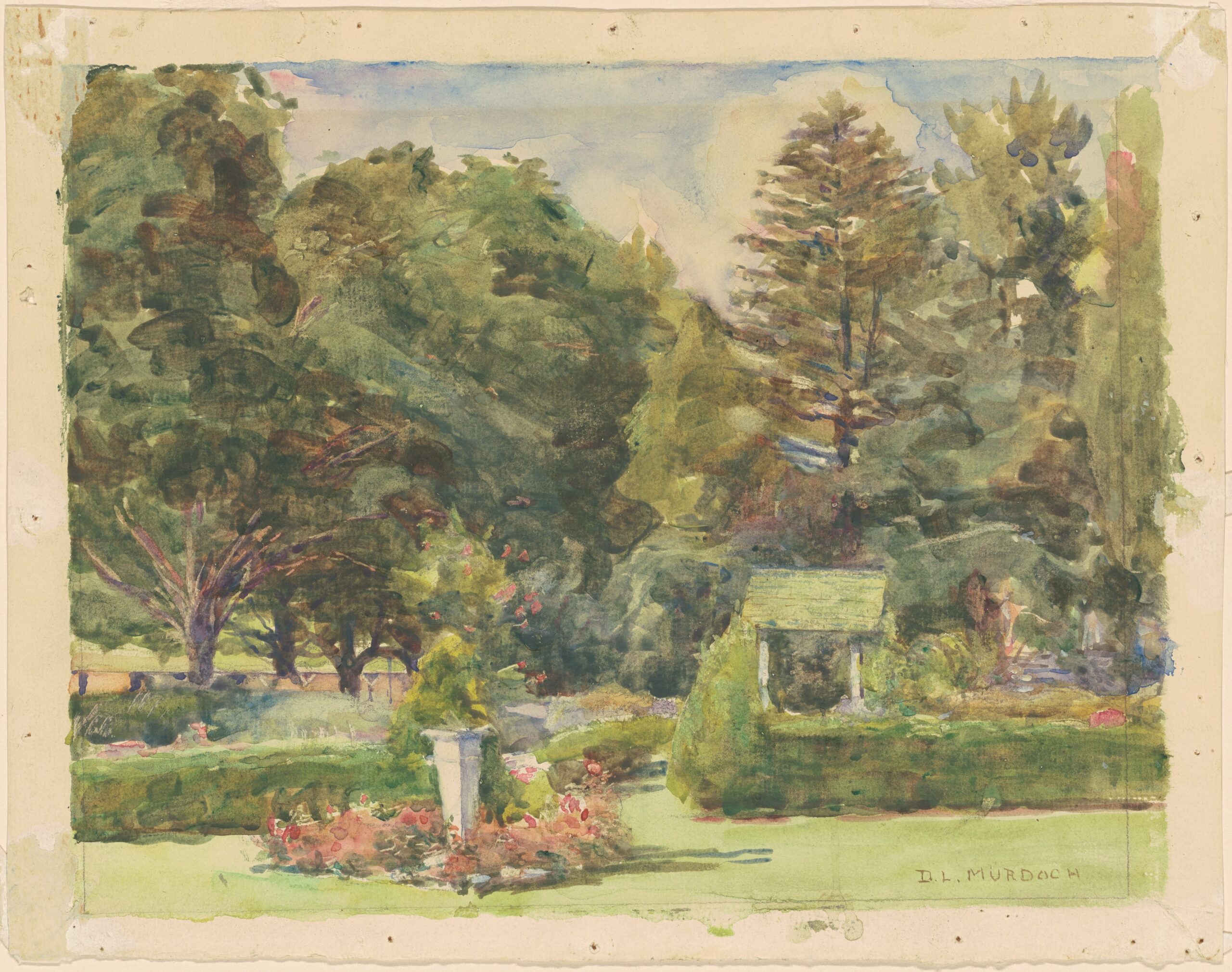
Since owning a home, I’ve found myself unexpectedly in love with gardening. Not in a polished or effortless way, but in the kind of way that leaves your hands dirty and your mind completely absorbed. There’s something deeply satisfying about the physical labor, the dirt, and the quiet transformation that begins to unfold right in front of you. Even more than that, there’s a kind of goodness in it—something that blesses not only your home, but anyone who happens to walk by.
And yet, I am very much a beginner.
I still find myself constantly learning, replanting, studying, and rethinking things I thought I understood. Gardening, I’ve found, is both an art and a science. It requires instinct and observation just as much as it does knowledge. You don’t master it all at once—you grow into it slowly, season by season.
If you’re just beginning, here are a few things I’ve learned that will help you start with more clarity and less frustration.
Decide Your Style First
It’s easy to start buying plants without a clear vision, but that often leads to a garden that feels scattered.
Take a moment to decide what you’re drawn to. For me, it’s an English cottage style with a touch of French structure—something soft and romantic, but still grounded. That structure comes from evergreens like boxwood, Hicks yew, and arborvitae. Without that foundation, everything can begin to feel a bit untethered.
Use Structure to Ground Your Garden
Flowers come and go, but structure remains.
Evergreens like boxwood and Hicks yew create a steady foundation. They hold shape through every season and give your garden a sense of permanence, especially in winter when everything else fades. Don’t think about a garden only being spring and summer. Factor in fall and winter and what can still hold shape and color then so 6 months out of the year you don’t just have dirt patches.
Create Rhythm Through Repetition
It also helps to create a sense of rhythm in your garden by repeating the same plants rather than constantly introducing new ones. Unless your style is very eclectic, a garden made up of too many different flowers can start to feel scattered, almost as if everything was planted without much thought. Repetition brings a quiet order. It allows the eye to rest and makes the space feel more cohesive.
I’ve found it simplest to choose just a handful of flowers and use them throughout the yard. The variation then comes not from constant change, but from timing—some blooming in spring, others carrying into summer. This creates a garden that unfolds gradually rather than everything competing for attention at once.
Understand Plant Spacing
Plant tags can be misleading if you don’t know how to read them. When a plant says it needs to be spaced a certain number of feet apart, that measurement is from the center of one plant to the center of the next—not edge to edge.
This small detail makes a big difference. Plant too close, and everything crowds out. Plant too far, and your garden can feel sparse for years. Taking a moment to understand spacing saves you from having to redo your work later. Using a measuring tape is helpful to keep things accurate.
Pay Attention to Planting Depth
Not every plant should be planted at the same level. Some actually prefer to sit slightly above the soil line rather than being buried deep.
Shrubs like boxwood and Hicks yew, for example, do best when the top of the root ball sits just above the surrounding soil. If they’re planted too deep, they can struggle to establish and may slowly decline over time.
Flowers and ground cover prefer to be planted leveled with the soil.
As a general rule, it’s better to plant slightly high than too deep. Soil settles, but a buried plant is much harder to correct.
Think in Layers
A garden that feels full and beautiful is rarely flat. Instead of thinking in rows, think in layers—a taller back layer, a medium middle, and a lower front.
This creates depth and that soft, gathered look you see in English gardens. It allows each plant to be seen and gives your space a sense of quiet fullness rather than clutter.
Plan for Different Bloom Times
One of the simplest ways to make your garden feel full for longer is to choose plants that bloom at different times rather than all at once. Many people unintentionally plant everything that flowers in early summer, and then by mid to late summer, the garden starts to feel tired and empty.
A more thoughtful approach is to layer your blooms across the seasons. Choose a few plants that come alive in spring, others that carry into summer, and a few that hold on into late summer or early fall. This creates a garden that changes gradually, always offering something in bloom rather than fading all at once.
It doesn’t need to be complicated. Even just being aware of bloom timing when you choose plants will make a noticeable difference. Over time, you begin to build a garden that feels steady and continuous rather than brief and fleeting.
Know Your Zone
Before planting anything, it’s worth understanding your growing zone. This tells you what plants will actually survive and thrive where you live. It’s one of the simplest ways to avoid wasting time and money on plants that were never meant for your climate.
Be Wise With Trees
Trees are often planted without enough thought for the future.
Before planting, consider how tall and wide the tree will become, along with its water needs. What looks small now may eventually crowd your home or other plants.
Arborvitae, for example, need consistent watering as they establish, but they can suffer if overwatered. Understanding these details ahead of time helps you avoid problems later.
Group Plants With Similar Needs
Plants thrive when they’re placed with others that need the same conditions. If one requires dry soil and another needs constant moisture, they will compete—and one will struggle.
Grouping plants by sunlight and water needs creates a healthier, more balanced garden that’s easier to care for.
Be Practical With Pots
Large pots can require more soil than you expect. A simple way to save is to place the plastic container your plant came in at the bottom of the pot, then fill around it with soil. It reduces cost without affecting the plant.
Nourish Your Soil Naturally
You don’t need complicated products to support your plants. Simple, natural additions like coffee grounds, eggshells, and banana peels can help enrich your soil over time. Research simple ways to nourish different plants with items you have in your kitchen.
Let It Be Something You Enjoy
Gardening isn’t meant to feel rushed or perfect. It’s something you grow into over time.
There’s a quiet kind of joy in tending to something living, in noticing small changes, and in caring for what’s been placed in your hands. And if you find yourself talking to your plants, encouraging them, or quietly hoping they thrive—you’re not alone.
It may seem small, but there’s something good in it.